low carb diet strength training Carb grains
Low-carb diets have been known to be effective in weight loss. But did you know that it can also boost your strength? In this article, we will discuss how to increase strength when on a low-carb diet. Firstly, it is essential to understand how low-carb diets work. When you consume fewer carbohydrates, your body shifts to burn fat for energy instead of glucose. This metabolic state is called ketosis. During this state, your body produces molecules called ketones which can provide energy for your brain. In a low-carb diet, your daily intake of carbohydrates should be less than 50g. When you reduce your carb intake, your muscles will have less glycogen to pull energy from, so you might feel like you have less strength during a workout. But, this does not mean that you have less strength overall. It simply means that you are in the process of adapting to using fat as an energy source instead of glucose. To increase strength while on a low-carb diet, it is important to focus on protein intake. Protein provides the building blocks for muscles, and it is essential to consume enough to maintain muscle mass. According to studies, it is recommended to consume 1.2-1.7g of protein per kg of body weight. When planning your meals, include protein-rich food such as chicken, eggs, fish, and lean meat. You can also add protein powder to your smoothies or shakes. Make sure to incorporate protein into your meals and snacks throughout the day. Another way to increase strength is to consume enough calories. When you are on a low-carb diet, you might feel satiated from the high-fat foods, and it might be difficult to consume enough calories. But, when you lift weights or do resistance training, you need enough energy to fuel those activities. Make sure to track your calories and ensure that you are consuming enough for your body’s needs. Lastly, it is important to lift heavy weights and engage in resistance training regularly. When you lift weights, you create small tears in your muscles, and your body repairs those tears by building new muscle fibers. The process is called muscle hypertrophy, and it contributes to overall strength gains. Make sure to engage in strength training two to three times per week and focus on compound movements such as squats, deadlifts, and bench press. Compound exercises work multiple muscles at the same time, making your workouts more efficient. In conclusion, a low-carb diet can help you lose weight and increase strength. To maximize your strength gains, focus on protein intake, consume enough calories, and engage in regular strength training. Remember to be patient and allow your body to adapt to the new dietary changes. With consistency and dedication, you can achieve your strength and fitness goals on a low-carb diet.
If you are searching about 4 Dietary Components That Might Be Missing from a Low-Carb Diet you’ve came to the right web. We have 5 Pictures about 4 Dietary Components That Might Be Missing from a Low-Carb Diet like 4 Dietary Components That Might Be Missing from a Low-Carb Diet, Going Low-Carb the Right Way! | IT’S TIME TEXAS and also 4 Dietary Components That Might Be Missing from a Low-Carb Diet. Here it is:
4 Dietary Components That Might Be Missing From A Low-Carb Diet
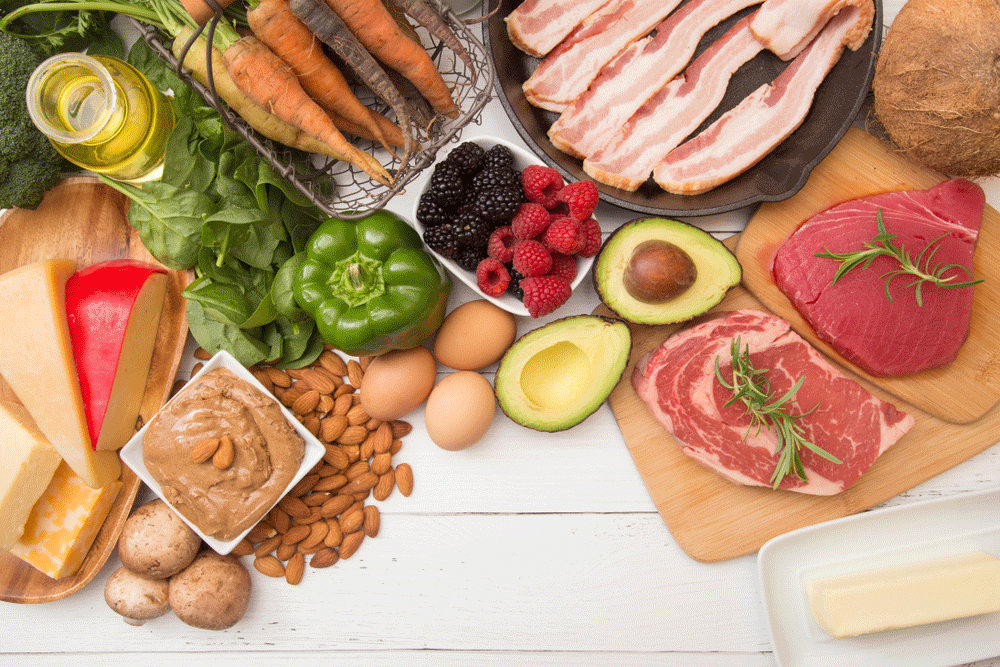 cathe.comdiet keto carb low foods fat high dietary components diets various perfect eat missing might fats deficiencies common biotrust
Low Carb Weight Loss Diet | Free Daily Low Carb Diet Plan
 www.hrt.orgcarb low diet plan loss weight daily nutrition medical updated december last posted board
How To Increase Strength When On A Low-Carb Diet
 kellysthoughtsonthings.comdiet carb low increase strength when
Best Low Carb Diets Weight Loss – Diet Blog
 umarlaud.eucarb grains
Going Low-Carb The Right Way! | IT’S TIME TEXAS
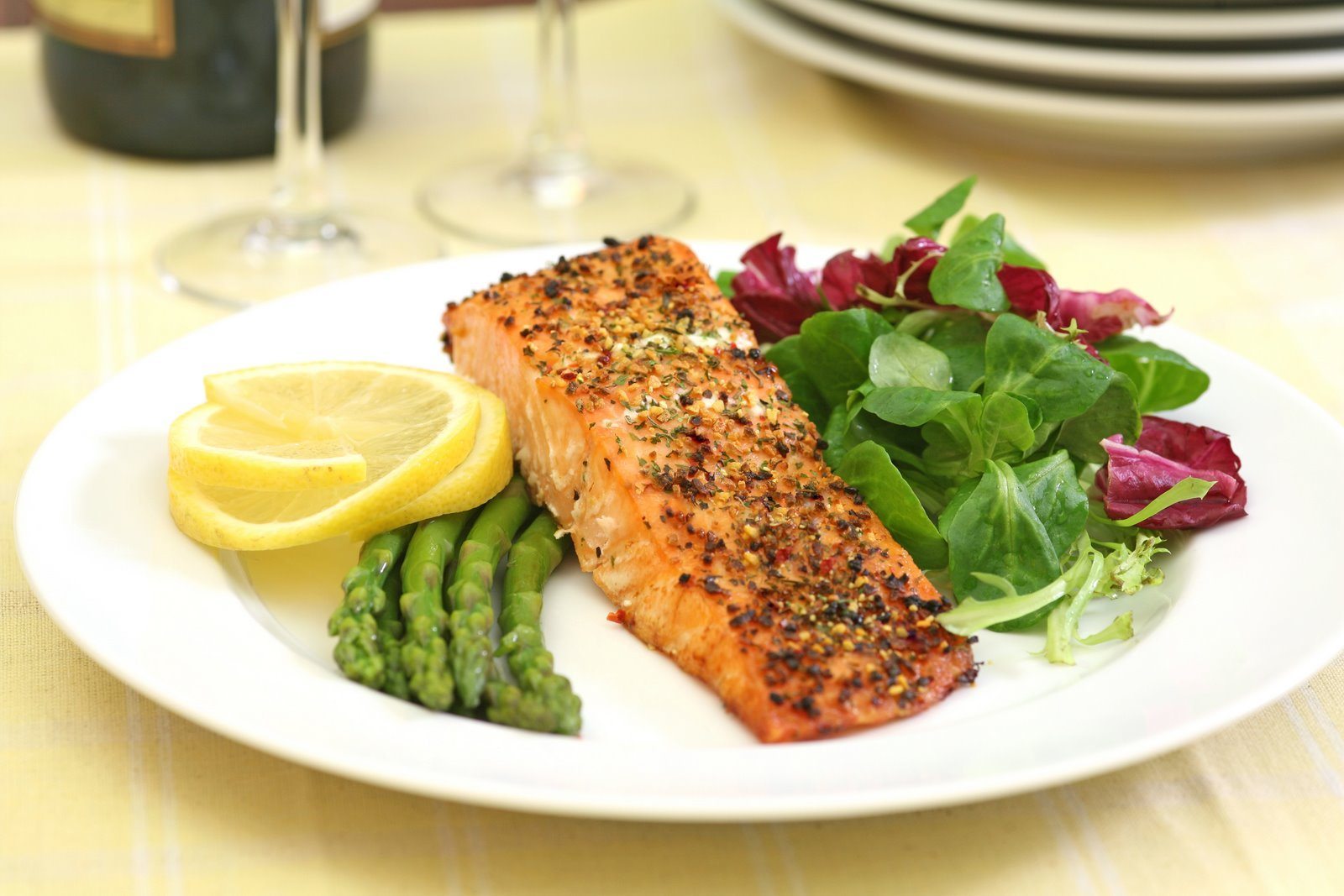 itstimetexas.orglow carb diet right foods food carbs healthy meals going way salmon adhd meal weight diets menu list eating restaurant
Carb grains. 4 dietary components that might be missing from a low-carb diet. Diet keto carb low foods fat high dietary components diets various perfect eat missing might fats deficiencies common biotrust